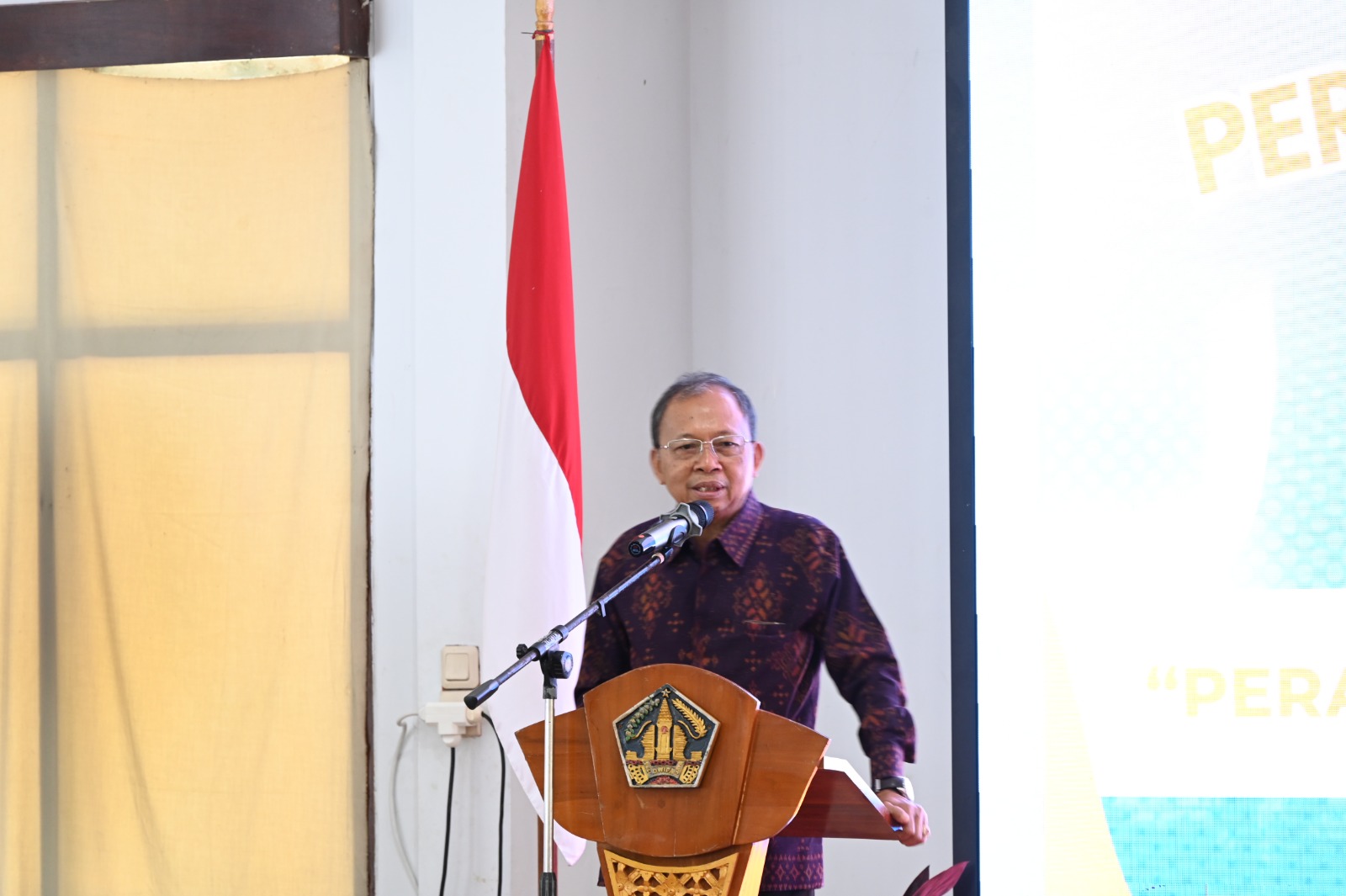
DENPASAR, BALINEWS — Long queues at fuel stations across Bali have prompted the provincial government and state-owned energy company Pertamina to accelerate fuel distribution. Bali Governor Wayan Koster has assured the public that supplies of subsidized Pertalite and non-subsidized Pertamax remain available, while 92 gas stations in Denpasar and Badung are set to operate 24 hours a day to ease congestion.
The measures were announced following a meeting between Koster and Pertamina’s president director and senior officials on Tuesday (October 13, 2026). Pertamina acknowledged that a delay in unloading a tanker was one of the main factors contributing to the distribution disruption and the long queues reported over the past several days.
Koster said 19.2 million liters of Pertalite and 3 million liters of Pertamax had arrived at the Manggis and Serangan fuel terminals on Tuesday. The Pertalite supply is estimated to cover six to seven days of demand, while the Pertamax supply is expected to last approximately three days.
Additional shipments are scheduled to arrive in the coming days. A further 25 million liters of Pertalite are expected on October 15, 16 and 17, while 13 million liters of Pertamax are scheduled to arrive on October 13 and 17.
According to Koster, the planned deliveries are expected to maintain adequate fuel supplies as distribution operations are accelerated.
“I want to make it clear that Pertalite and Pertamax supplies are available to meet demand for the next two weeks,” Koster said.
92 Gas Stations to Operate Around the Clock
To improve access to fuel and reduce congestion, 92 gas stations in Denpasar and Badung are set to operate 24 hours a day starting Tuesday night, with implementation depending on each station’s operational readiness.
Of the 92 stations, 54 are located in Denpasar and 38 in Badung. The two areas have been prioritized because of their high fuel demand.
Pertamina will also operate the Manggis and Serangan fuel terminals around the clock. Meanwhile, the number of tanker trucks transporting fuel from the terminals to gas stations will increase from 90 to 105 vehicles.
The Bali Regional Police have also begun escorting fuel tankers using patrol and escort vehicles to help speed up deliveries and ensure smoother distribution.
Koster urged residents not to rush to gas stations at the same time if refueling was not immediately necessary. He encouraged motorists to stagger their visits to help prevent further congestion.
Pertamina Apologizes for Tanker Delay
Pertamina’s president director apologized to the people of Bali for the long queues at gas stations.
He explained that one of the main causes of the disruption was a problem involving a tanker’s anchor during the cargo-unloading process. As a result, unloading operations, originally scheduled to begin at around 6:30 a.m., were delayed until approximately 10 p.m.
“On behalf of Pertamina, I extend my sincerest apologies to the people of Bali for the queues we have experienced,” he said.
Pertamina said it would accelerate fuel deliveries from tankers to storage terminals and then to gas stations. The company is also coordinating with the Indonesian Oil and Gas Entrepreneurs Association (Hiswana Migas) to increase the number of gas station operators.
Pertamina expects the queues to begin easing as additional tanker trucks, faster distribution and round-the-clock operations take effect. If conditions return to normal within the next two to three days, gas stations may resume their regular operating hours.
Barcode System and Fuel Quotas Under Review
Responding to public calls to remove the barcode requirement for subsidized fuel purchases, which some motorists believe contributes to longer queues, Pertamina’s president director said the company would coordinate with the Downstream Oil and Gas Regulatory Agency (BPH Migas).
He explained that BPH Migas is responsible for regulating subsidized fuel quotas and distribution, while Pertamina acts as the distributor.
Pertamina will discuss whether special measures can be introduced during emergency situations to make subsidized fuel more accessible to the public.
The company has also not confirmed reports circulating among residents that Bali’s fuel quota has been reduced. Further coordination with BPH Migas is needed to clarify the issue.
Pertamina’s president director acknowledged that the significant price difference between subsidized and non-subsidized fuel could be one factor contributing to increased demand for Pertalite. However, he said the causes of the queues needed to be assessed comprehensively.
Work-from-Home Policy Deemed Unnecessary for Now
Amid the distribution disruption, the Bali Provincial Government had considered introducing a work-from-home (WFH) policy and online schooling to reduce public mobility.
However, following the agreement with Pertamina on measures to accelerate distribution, the government concluded that these options were not necessary for the time being.
The provincial government will monitor the implementation of 24-hour operations at fuel terminals and gas stations, particularly those distributing subsidized fuel.
The government and Pertamina hope that additional supplies, more tanker trucks and extended operating hours will ease the queues and prevent similar disruptions in the future.
Koster stressed that maintaining a reliable fuel supply was a shared responsibility, given its importance to public needs, transportation and Bali’s economic activities.