DENPASAR, BALINEWS – Bali's 42.15 percent increase in the 2027 Provincial Minimum Wage (UMP), bringing it to Rp4,559,287 per month, has prompted recreation park operators to reassess their operational budgets. The Indonesian Recreation Park Business Association (PUTRI) Bali is urging the government to allow businesses more time to adjust to the new wage policy.
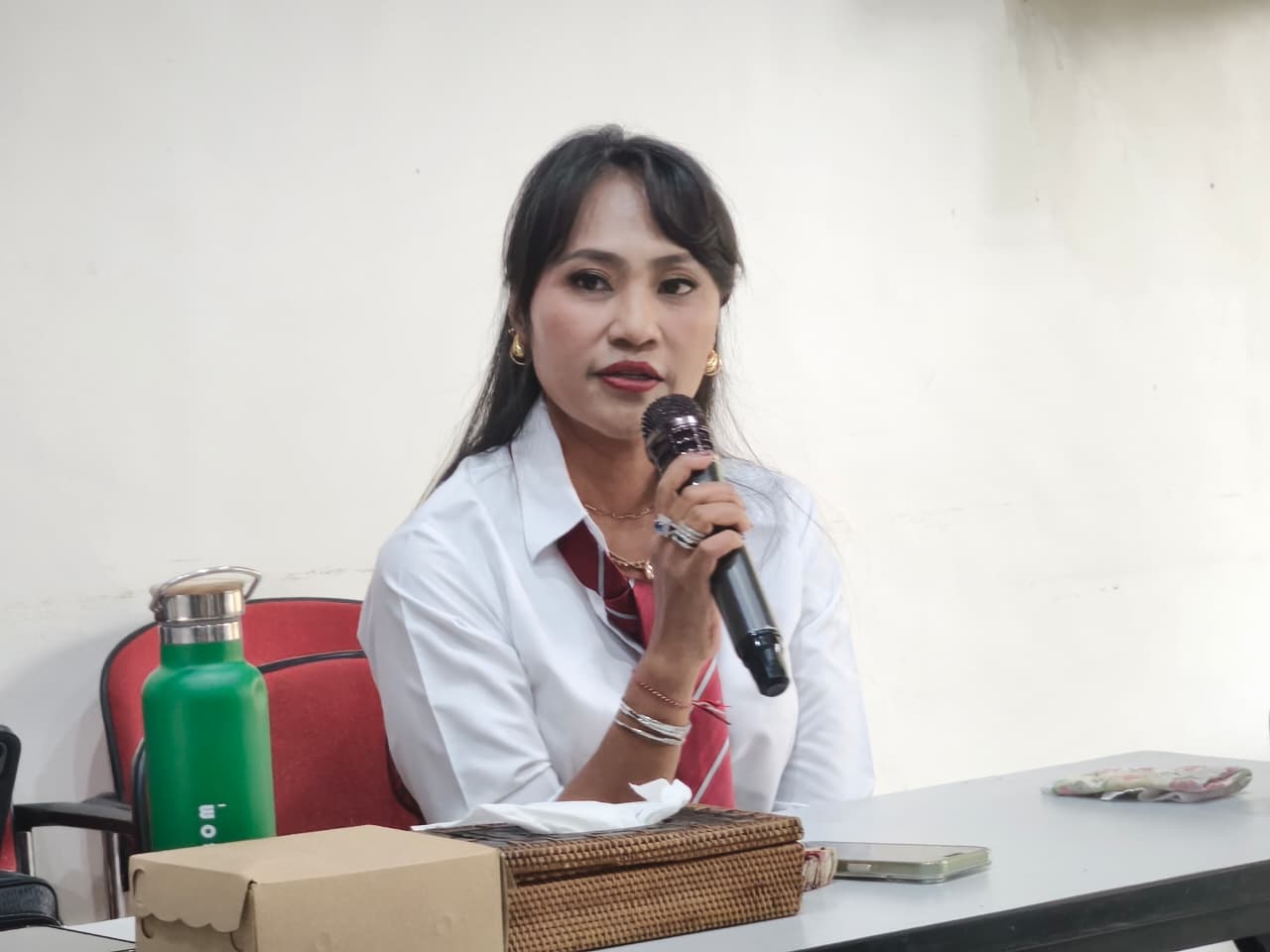
Chairperson of PUTRI Bali's Regional Board, I Gusti Agung Ayu Inda Trimafo Yudha, said that while businesses fully recognize their obligation to comply with the government's minimum wage regulations, authorities should also consider the diverse scale and financial capacity of businesses operating in the recreation and tourism sector.
She made the remarks during a press conference at the Bali Tourism Board (BTB) office on Friday (November 27, 2026).
Inda explained that recreation businesses in Bali vary considerably in scale and management structure, ranging from community-based attractions and village-managed tourism destinations to startups and large-scale tourism companies.
As a result, she said, their ability to absorb higher labor costs cannot be assessed using a uniform approach.
"As part of society and the tourism industry, we must comply with the regulations established by the government. However, as an association, we also serve as a coordinating body and a bridge for businesses that may not yet have the financial capacity or level of preparedness expected by the government," she said.
According to Inda, one of the main challenges facing business operators is the timing of the policy's implementation, which may not align with their existing financial planning cycles.
Tourism businesses generally prepare their budgets well in advance of the operating year. Some companies, particularly those connected to the global tourism industry, also follow a fiscal cycle that begins in April.
Well-established companies typically prepare their budgets a year in advance or at least six months before the start of an operating period.
With the new minimum wage scheduled to take effect on January 1, 2027, businesses will need sufficient time to recalculate labor expenses, payroll allocations and other operational costs.
"For companies with well-established management systems, budgeting is carried out a year in advance, or at least six months beforehand. Therefore, when significant cost changes must be implemented at the beginning of the year, adjustments will inevitably take time," she explained.
Inda said labor costs generally account for approximately 30 percent of the revenue and operational cost structure of recreation businesses. Any increase beyond the original budget projections would require companies to reassess other expenditure components.
She also emphasized that recreation parks are labor-intensive businesses, meaning they rely on relatively large numbers of employees to maintain daily operations.
This distinguishes them from star-rated hotels, which generally have more structured organizational systems and specific workforce competency requirements. Recreation businesses, meanwhile, employ workers from various educational backgrounds and skill levels, including those involved in community-based and village tourism operations.
"When we talk about labor-intensive businesses, the number of employees is an important factor that must be taken into account. Recreation parks have very different characteristics from four- and five-star hotels, as well as village-managed tourism businesses. Therefore, the financial capacity of each business needs to be considered," she said.
In addition to requesting more time for implementation, PUTRI Bali is encouraging stronger industrial relations between employers and employees.
Inda stressed the importance of communication and mutual agreement to ensure that workers' rights are protected while businesses remain financially sustainable.
She added that providing decent wages should go hand in hand with employees' responsibilities, including maintaining discipline and complying with company standard operating procedures (SOPs).
"We support the provision of decent living standards for workers. However, relations between employers and employees must also be built on mutual respect. Both sides have rights and responsibilities that must be fulfilled to create a mutually beneficial situation," she said.
Inda also called on the government to prioritize guidance and assistance for businesses in implementing the new wage regulations rather than relying primarily on the threat of penalties.
She noted that tourism businesses contribute to the regional economy by creating employment opportunities, paying taxes and supporting broader economic activity.
Therefore, she said, cooperation between the government, employers and workers is essential to ensure that higher wages do not undermine business sustainability.
Meanwhile, the minimum wage increase could also lead to higher prices for tourism-related goods and services. Inda said some companies may consider adjusting their service rates to offset rising operational expenses.
She warned that the impact would not be limited to tourists. Self-employed individuals and informal-sector workers, who do not directly benefit from the minimum wage increase, could also face higher living costs as prices rise.
"The increase could eventually lead to higher prices for goods and services as businesses seek to compensate for rising operational costs. We also need to consider self-employed individuals and those working in the informal sector. They may not benefit directly from the wage increase, but they will still be affected by higher prices," she said.
Beyond wage-related concerns, Inda also proposed that the government consider providing insurance coverage for tourists visiting Bali.
Such a scheme, she said, could help reduce the financial burden on recreation park operators, who currently need to allocate funds to provide visitor insurance through private insurance providers.
She expressed hope that the government would provide sufficient room for businesses to adjust to the new policy, allowing improvements in workers' welfare to go hand in hand with the sustainability of tourism businesses and employment opportunities across Bali.
Bali Governor Wayan Koster has officially set the 2027 Provincial Minimum Wage at Rp4,559,287 per month through Governor's Decree No. 995/03-M/HK/2026 concerning the 2027 Provincial Minimum Wage and Provincial Sectoral Minimum Wage.
The new rate represents an increase of Rp1,351,828, or 42.15 percent, from the 2026 minimum wage of Rp3,207,459. The regulation is scheduled to take effect on January 1, 2027.