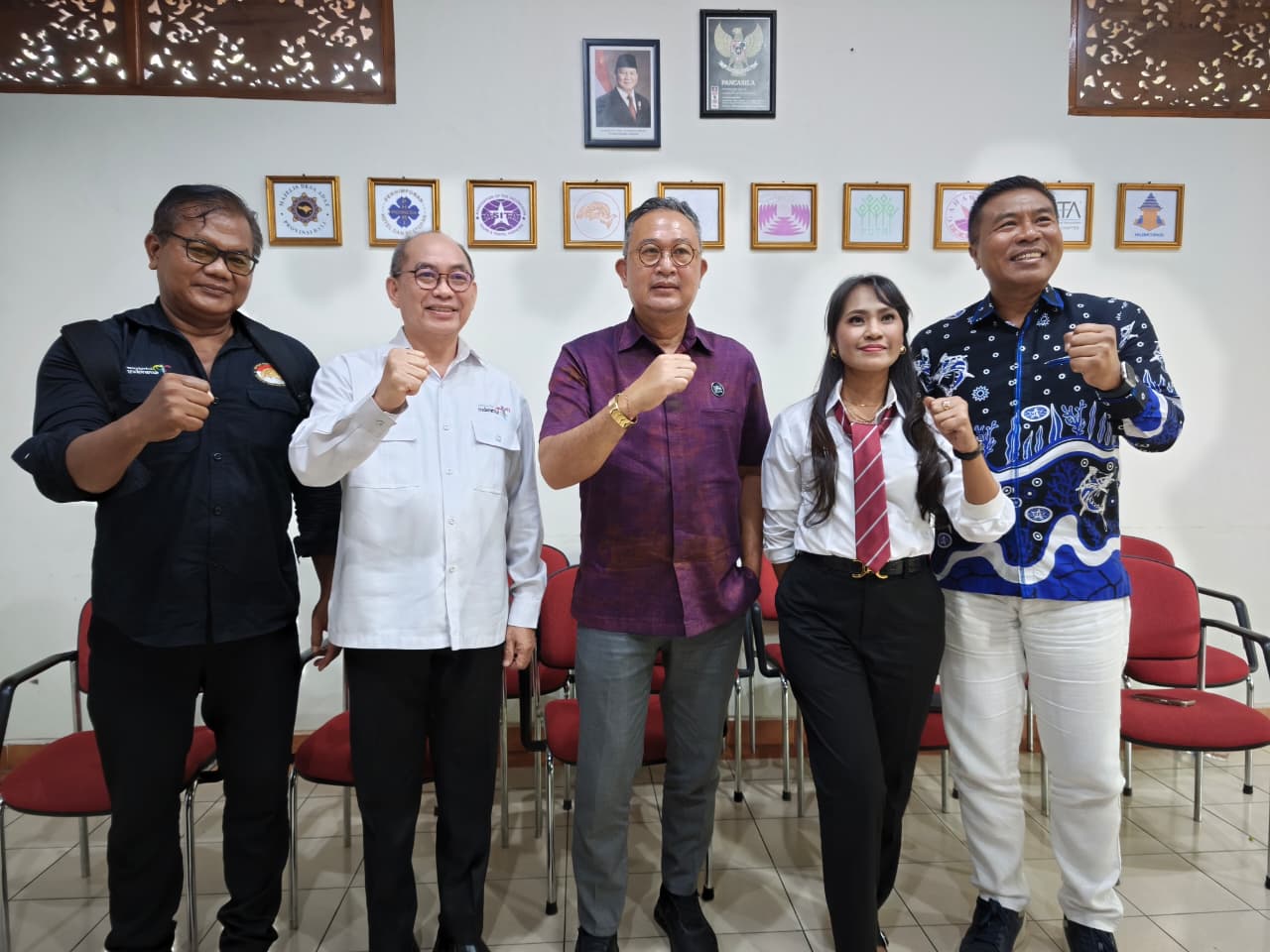
DENPASAR, BALINEWS – The Bali Tourism Board (BTB) has urged the provincial government to introduce a transition period until April 2027 for implementing the new provincial minimum wage and provide property tax relief for tourism businesses following a 42.15 percent increase in the minimum wage.
BTB Chairman Ida Bagus Agung Partha Adnyana said the proposed transition period was necessary because the January 1 implementation date did not align with the tourism industry's annual business cycle, which generally begins in April.
Bali's 2027 Provincial Minimum Wage (UMP) has been set at Rp4,559,287 (approximately US$275) per month, an increase of Rp1,351,828 from the 2026 rate of Rp3,207,459. The new rate was established under Bali Governor's Decree No. 995/03-M/HK/2026 and will take effect on January 1, 2027.
Partha explained that many tourism businesses, particularly hotels, operate under existing contracts with travel agents, tour operators and other business partners. These contracts are generally adjusted in line with the industry's annual contracting cycle, which begins in April.
"The tourism fiscal year begins in April. Every April, there is generally a change in contracting arrangements," Partha said in Denpasar on Friday (Nov. 27, 2026).
He said the timing difference could put additional financial pressure on businesses because labor costs would increase before companies had an opportunity to adjust their room rates and service contracts.
The wage increase has also prompted tourism businesses to reconsider their operational plans, including recruitment. Partha said some companies that had planned to hire additional employees were now considering postponing those plans.
"Some companies had planned to recruit 10 to 15 additional employees, but those plans are now being put on hold. From the business perspective, we need to make adjustments first," he said.
To ease the financial burden, Partha proposed that the provincial government consider reducing or waiving Land and Building Tax (PBB) obligations for tourism businesses.
He said property tax relief could help offset rising labor expenses, allowing companies to maintain their financial stability without having to reduce their existing workforce or compromise business continuity.
BTB is also preparing to facilitate discussions between tourism businesses and the government to identify companies that may face difficulties implementing the new wage requirements immediately.
Working alongside the Bali chapter of the Indonesian Hotel and Restaurant Association (PHRI), BTB is opening communication channels with 32 tourism stakeholders and 10 hotel associations.
Partha stressed that businesses seeking special consideration must provide transparent financial information so their actual financial capacity can be assessed objectively.
He also highlighted the role of service charges in the hotel industry, noting that in some businesses, employees' total earnings from basic wages and service charges may exceed the provincial minimum wage.
However, the treatment of service charges in relation to minimum wage obligations must remain subject to applicable employment regulations.
Meanwhile, Chairman of the Bali chapter of the Association of Indonesian Tours and Travel Agencies (ASITA) and BTB Secretary I Putu Winastra called for stricter government oversight of tourism businesses operating outside legal requirements.
He specifically raised concerns about illegal tourism operations and foreign nationals conducting business activities without the necessary permits.
Winastra warned that businesses complying with wage and licensing regulations could face unfair competition from illegal operators that avoid similar operating costs and consequently offer lower prices.
"We should not allow businesses that comply with the regulations to bear the burden of meeting wage requirements while illegal operators ignore those obligations and trigger price wars. If illegal businesses can offer much cheaper packages because they do not bear the same costs, law-abiding businesses could be pushed out of the market," Winastra said.
He urged the government to strengthen enforcement of Regional Regulation No. 28 through more effective monitoring and action against businesses operating outside the legal framework.
Bali's 2027 minimum wage increase is part of the provincial government's effort to improve workers' living standards and purchasing power.
However, BTB believes that the policy should be accompanied by measures to help businesses adjust to higher operating expenses while maintaining fair competition across the tourism sector.
The organization hopes the government will consider the proposed transition period until April 2027, provide property tax relief and strengthen enforcement against illegal tourism businesses.
BTB said these measures would help balance workers' welfare, business sustainability and fair competition as Bali continues to strengthen its position as an international tourism destination.