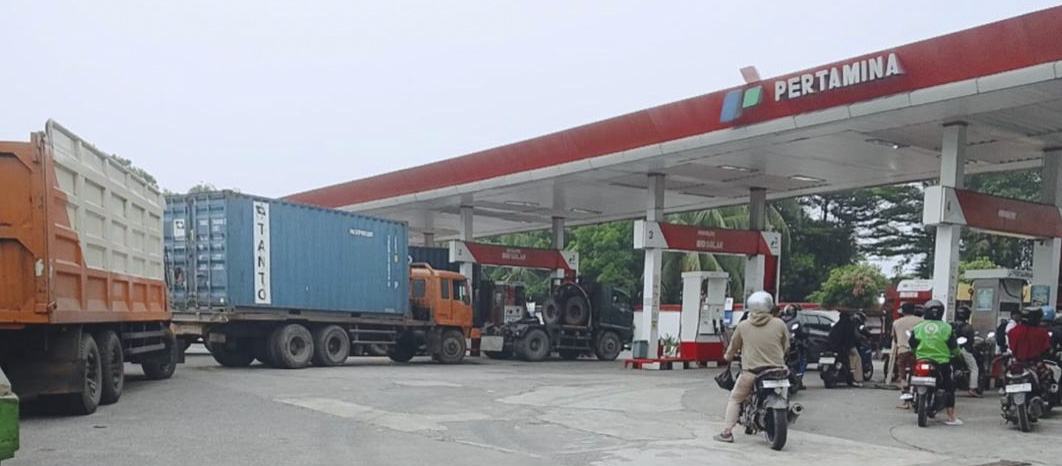
DENPASAR, BALINEWS — Fuel shortages entered their fifth day at several gas stations across Bali, including Denpasar, on Friday, October 16, 2026, with motorists struggling to obtain Pertalite and Pertamax as long queues of motorcycles and cars formed. At the same time, diesel supply problems in several parts of North Sumatra have come under scrutiny amid reports of delayed deliveries, discrepancies between ordered and delivered products, and alleged reductions in fuel allocations for fishermen.
In Denpasar, long lines of vehicles remained visible at several gas stations, raising concerns about disruptions to public mobility and economic activity in Bali, where transportation and tourism are major drivers of the local economy.
In North Sumatra, diesel shortages have reportedly affected Medan, Deli Serdang, Langkat, Karo, Asahan, and Simalungun. Information gathered from several gas station operators and sources in the field suggests that the problem has persisted since September 2026.
Long queues of vehicles seeking diesel have reportedly formed at gas stations that still have available supplies. At some locations, limited stocks have allegedly forced operators to temporarily suspend sales, prompting customers to seek fuel elsewhere.
Distribution Delays and Delivery Discrepancies Under Scrutiny
Several gas station operators have complained about delayed fuel deliveries that directly affect stock availability. In addition to concerns about transportation capacity, reports have emerged of discrepancies between the products ordered and those actually delivered.
One gas station operator said the station had ordered 16 kiloliters (KL) of B50 fuel but received only 8 KL of B0 diesel.
“The gas station ordered 16 KL of B50, but only 8 KL of B0 diesel was delivered. We have experienced this situation over the past several weeks. When we contacted the SBM, Mr. Ferry, we were informed that the Delivery Order (DO) was not visible in the system,” the source said.
The account raises questions about coordination between fuel orders, Delivery Order processing, product availability, and actual deliveries to gas stations.
However, the reasons behind the reported discrepancies in product type and volume have not been established. Clarification from the relevant parties is needed to determine whether the problems stem from system errors, product availability, or other operational factors.
Alleged Suspension of Diesel Deliveries
Distribution concerns have also emerged at several gas stations in the Medan Belawan area and along the Medan–Diski route. According to information obtained from gas station sources, diesel deliveries to several stations were allegedly suspended for three days.
The sources linked the reported suspension to an individual identified as Ferry, described as an SBM. However, this allegation has not been independently confirmed.
When asked about an official written notice authorizing the suspension, gas station representatives said they had received only verbal notification and no written documentation.
If the suspension did occur, the grounds for the decision, the reasons behind it, its duration, and the procedures for restoring deliveries should be clearly explained. Transparent administrative procedures are essential to ensure that gas station operators understand their supply status and that services to the public are not disrupted for an extended period.
Fishermen Struggle to Put to Sea
The reported diesel shortages have also affected fishermen in Langkat and the Gabion Belawan area. In Langkat, some fishermen have reportedly been unable to go to sea because they cannot obtain enough fuel to operate their boats.
Information from the field suggests that the situation may be linked to alleged reductions in diesel allocations for fishermen. However, the extent of any reduction, the policy basis, and the implementation period have not been confirmed.
Diesel availability is essential to fishing operations and the livelihoods of coastal communities. If supplies fail to meet operational needs, fishermen risk losing opportunities to fish and suffering reduced incomes.
Authorities and relevant stakeholders are therefore expected to clarify fuel allocation policies, distribution mechanisms, and diesel availability for eligible fishermen.
Queues Spread as Economic Activities Face Disruption
Beyond Medan and Deli Serdang, queues for diesel have reportedly formed at several gas stations in Langkat, Karo, Simalungun, and Asahan.
When fuel supplies are concentrated at a limited number of stations, the burden on those outlets increases and waiting times can grow longer. Such conditions may disrupt freight transport, public transportation, small businesses, and other economic activities that depend on reliable fuel supplies.
In Bali, difficulties in obtaining Pertalite and Pertamax have also raised concerns, as fuel is essential for the daily mobility of residents, workers, business operators, and the tourism sector.
Although the affected fuel types and regions differ, reports from Bali and North Sumatra highlight the importance of reliable supplies and efficient distribution in preventing disruptions to daily life and economic activity.
At present, there is insufficient evidence to conclude that the fuel shortages in Bali and the diesel distribution problems in North Sumatra share the same underlying cause.
Pertamina Urged to Clarify Supply Problems
Pertamina and the relevant authorities are expected to explain the fuel supply situation in Bali and the diesel distribution problems reported in North Sumatra.
Key issues requiring clarification include the causes of delivery delays, discrepancies between ordered and delivered products, the reported Delivery Order system problem, and allegations that deliveries to several gas stations were suspended.
Clarification is also needed regarding diesel allocations for fishermen in Langkat and Gabion Belawan to ensure that coastal communities can obtain fuel in accordance with applicable regulations.
As of the time this report was compiled, no official statement from Pertamina addressing these specific reports was included in the available information.
Residents, gas station operators, business owners, and fishermen need clear information about fuel availability, corrective measures, and expected timelines for restoring supplies. Transparent distribution procedures and evidence-based explanations are essential to prevent fuel shortages from placing a prolonged burden on communities and local economic activities.