DENPASAR, BALINEWS — A single judge at the Denpasar District Court, Kadek Dedy Arcana, has ruled that the detention of I Made Daging, a former head of the Bali Regional Office of the National Land Agency (BPN), was unlawful and ordered his immediate release.
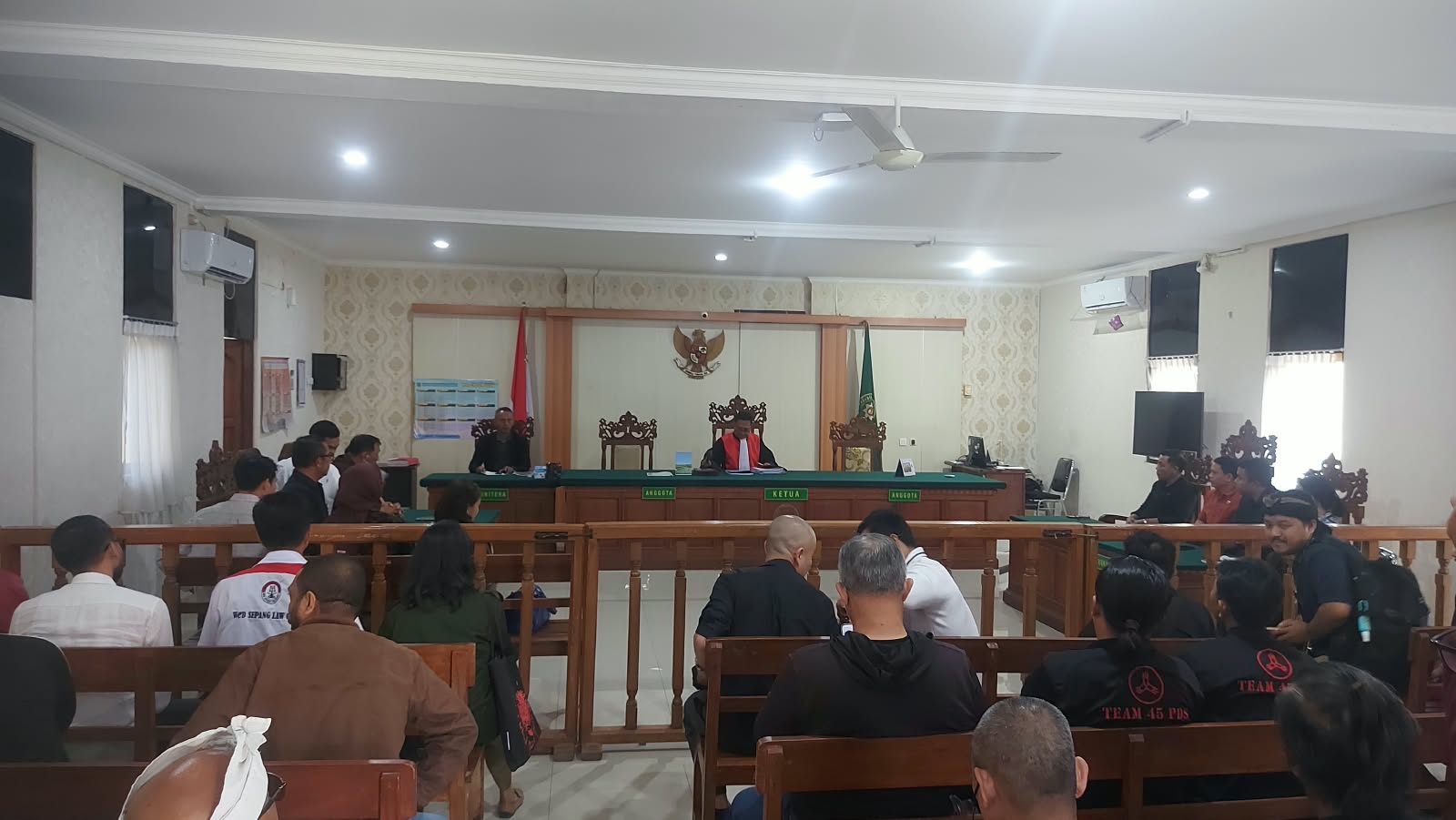
The ruling was delivered during a pretrial hearing at the Kartika courtroom on Tuesday (October 13, 2026).
In the ruling, the judge declared Detention Order No. SP.Han/31/IX/WJA/Ditreskrimsus/1.24/2026/Ditreskrimsus, dated September 16, 2026, unlawful and legally non-binding.
“The respondent is ordered to immediately release the applicant from detention upon the pronouncement of this pretrial ruling, if the applicant is being detained under the aforementioned detention order,” Judge Kadek Dedy Arcana said while reading the verdict.
However, the judge upheld the legal validity of Daging’s suspect designation. As a result, his legal team’s pretrial petition was only partially granted.
The ruling invalidates the specific detention order but leaves Daging’s suspect status intact. Investigators must now determine the appropriate next steps in accordance with the court’s decision and applicable law.
Following the hearing, Daging’s lawyer, Gede Pasek Suardika, welcomed the decision declaring his client’s detention unlawful. However, he argued that the judge had not fully addressed all the legal issues raised by the defense.
“First, if we are talking about courage, I would say it is commendable. Why? Because the judge dared to break through, although only halfway,” Pasek said.
Pasek also announced that his legal team plans to file a third pretrial petition to challenge the termination of the investigation and the revocation of Daging’s suspect status.
He argued that once a suspect designation has been upheld through a pretrial ruling, the legal process should proceed through the appropriate judicial mechanisms.
“Let the court decide that Mr. Daging is not guilty, rather than having investigators terminate the case,” he stressed.
Pasek further said his team planned to file a criminal complaint against parties allegedly involved in obstructing his client’s attempt to report a criminal offense. According to him, the complaint would also concern alleged false statements in an official investigation report, known in Indonesia as a Berita Acara Pemeriksaan (BAP).
“We will file the report today. As soon as he leaves here, it will take him just a minute and a half to get to the reporting office,” Pasek said.
Meanwhile, AKBP I Nyoman Gatra, representing the Bali Police Legal Division as the respondent, said the police respected the judge’s ruling and would comply with the court’s decision.
Gatra said the Legal Division would coordinate with investigators from the Bali Police Criminal Investigation Directorate (Ditreskrimsus) after receiving the written judgment to determine the next legal steps.
“We must all comply with the decision. It was made after careful consideration by the pretrial judge,” Gatra said.
He explained that investigators would use the written ruling as the basis for a special case review to determine the appropriate follow-up measures concerning Daging’s detention.
Asked whether investigators might take further action following the ruling, Gatra emphasized that the decision rested with the investigators.
“What is clear is that the case will proceed because the suspect designation has been declared valid,” he said.
Gatra also stated that the Bali Police were prepared to face another pretrial challenge if Daging’s legal team proceeded with its planned third petition. He said filing a pretrial petition was a legal right that the police were prepared to address through the judicial process.
The latest ruling does not determine the merits of the underlying criminal case against Daging. The pretrial proceedings focused on the legality of the investigators’ actions rather than whether Daging was guilty of the alleged offense.
Under Tuesday’s ruling, Daging’s detention was declared unlawful, but his suspect status remains valid. The implementation of the release order and any subsequent legal measures must follow the court’s decision and applicable legal procedures.